
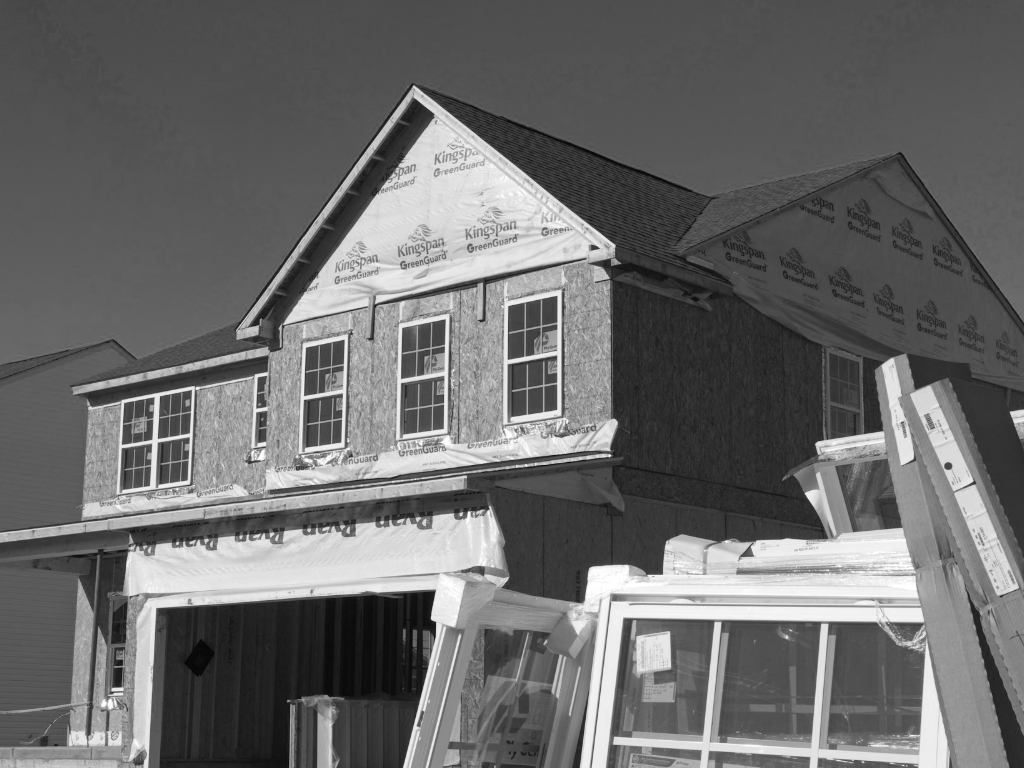
South Texas builders say ICE arrests at job sites are slowing construction across the Rio Grande Valley. Industry leaders warn labor shortages are delaying projects, straining suppliers, and could push housing costs higher as workers stay home out of fear.
Construction activity in South Texas is slowing as immigration enforcement actions disrupt the region’s labor force, according to builders and suppliers in the Rio Grande Valley. Industry representatives say increased arrests at or near job sites have reduced worker availability, delayed projects, and affected businesses tied to homebuilding.
Leaders with the South Texas Builders Association report that contractors are struggling to staff crews, while material suppliers describe declining sales and rising payment delays from customers whose projects have stalled. Data from regional economic tracking shows a recent drop in construction employment, reinforcing industry accounts of reduced activity.
The labor shortage is extending beyond job sites. Real estate professionals and lenders say slower construction timelines can ripple through housing markets, potentially tightening supply. Economists note that similar enforcement periods in past years coincided with fewer housing starts and upward pressure on home prices, especially in regions heavily reliant on immigrant labor.
Community meetings in Pharr drew hundreds of attendees from construction, development, and local government. Participants emphasized operational impacts rather than policy debates, focusing on workforce availability, cash flow challenges, and uncertainty affecting future planning.
Workers interviewed described cutting back hours or avoiding jobs altogether due to fear of enforcement actions, reducing household income and limiting participation in the local economy. Builders warn that prolonged disruptions could lead to business closures if labor conditions do not stabilize.
Elected officials at the state and federal level have been briefed by industry leaders, though no policy changes have been announced. Immigration authorities did not comment publicly on specific operations.
The situation highlights the connection between labor supply and housing production in fast growing Texas regions, where population growth continues to drive demand. The reporting is based on coverage by The Texas Tribune.