
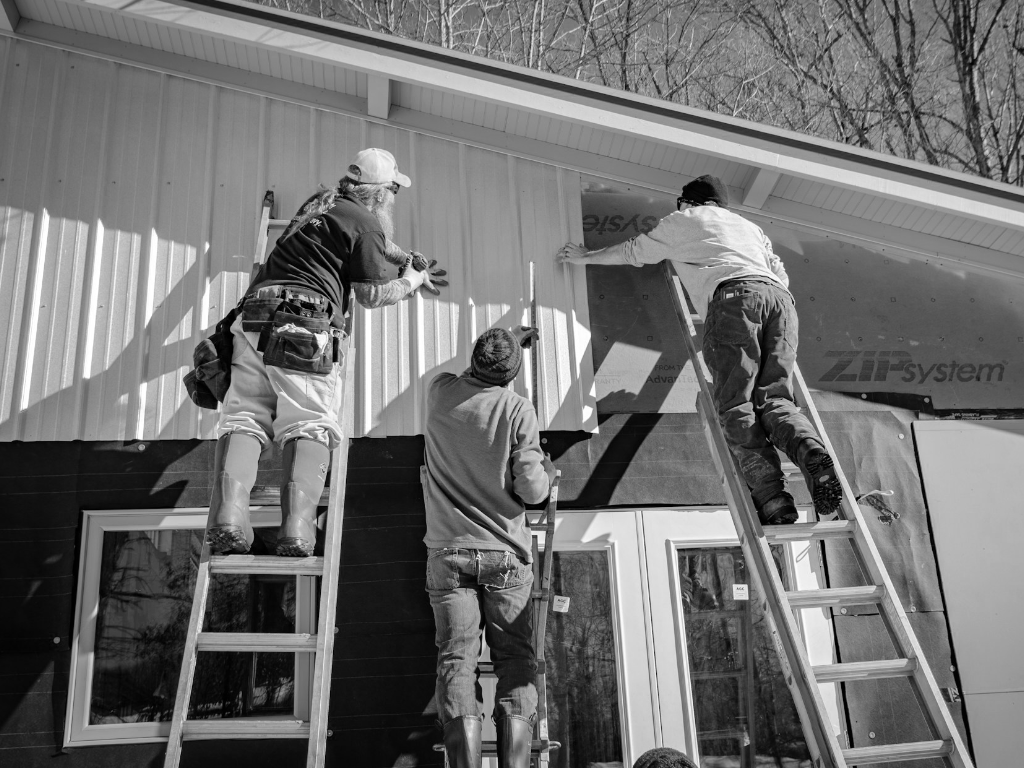
New construction homes come with multiple warranties, covering construction, built-in systems, and HOA responsibilities. Understanding what is covered and by whom protects buyers from surprises.
When buyers move into a newly built home, the excitement of a fresh start can overshadow the fine print that governs what happens when things go wrong. Many assume that “new” means “perfect,” and that any problem will be fixed automatically. In reality, new construction comes with layers of responsibility, and warranties define what the builder will repair, replace, or compensate for, and what they won’t. Understanding those boundaries early can make the difference between a smooth move-in and months of frustration.
Warranties are rarely one-size-fits-all. Builders often offer multiple layers, each covering different parts of the home for different periods of time. Structural warranties may promise that the foundation, framing, and load-bearing elements are sound for several years. Mechanical systems might have a separate timeframe, and cosmetic issues, such as paint, trim, or finishes, may have shorter coverage. Some contracts even include limitations that make repairs contingent on timely reporting, specific maintenance, or proof of damage. Buyers who overlook these conditions can discover that a simple leak, crack, or malfunction falls outside coverage.
Liability is another crucial element. During construction, damage can occur from subcontractor work, delivery errors, or weather-related incidents. After move-in, issues can emerge from settling, environmental factors, or daily use. Warranties do not automatically cover every inconvenience. Understanding which problems the builder is responsible for and which are considered the buyer’s responsibility is essential. Many buyers only realize later that certain types of damage, or delays in reporting them, can void coverage.
Documentation is key. Detailed records, photos, and written communications create a clear timeline of when issues arise and how they are reported. Builders often require strict adherence to reporting windows, and failure to follow procedures can limit remedies. While inspections before and shortly after move-in can catch many issues, buyers should also know how ongoing warranties function, when follow-up inspections are appropriate, and how disputes are handled if repairs are delayed or denied.
Buyers should understand the coverage of:

Construction – structural elements, roofing, exterior finishes, walls, and any systems built into the home like plumbing, electrical, or HVAC.

Appliances and built-in systems – items included by the builder, like stoves, ovens, or HVAC units (if part of the contract).

HOA versus Owner responsibilities – what the homeowner association covers (common areas, landscaping, shared walls, community features) versus what the individual homeowner must maintain (interior repairs, upgrades, and personal property).
Contracts may also define the process for claims, including repair timelines, dispute resolution, and limitations on compensation. Arbitration clauses, short reporting windows, and restrictive definitions of covered items can make it difficult for buyers to enforce their expectations. Awareness of these limitations before a problem arises allows buyers to plan, ask questions, and request clarification without entering into conflict unprepared.
None of this means builders intend to leave buyers unprotected. Large companies operate at scale and need consistency in what they promise and deliver. Warranties provide that framework, balancing protection for the homebuyer with predictable responsibilities for the builder. The challenge is that the coverage is only as good as the buyer’s understanding and adherence to the requirements outlined in the contract.
This article is not legal advice. Every builder, development, and state has different rules and contract structures, and the terms of a warranty can vary widely. Buyers should carefully review all warranties with qualified legal or real estate professionals to understand what is covered, what steps are required to maintain coverage, and what limitations or exclusions apply. Taking the time to understand these details before, during, and after move-in ensures that a new home delivers on more than just its fresh paint and clean floors.
Once the paperwork is signed and the keys are in hand, the home is only as secure as the knowledge buyers bring to managing its protections. Warranties exist to define responsibility, but they work best when the buyer knows how they function. Understanding the scope, limitations, and procedures can prevent surprises and make the transition from construction site to home much smoother.